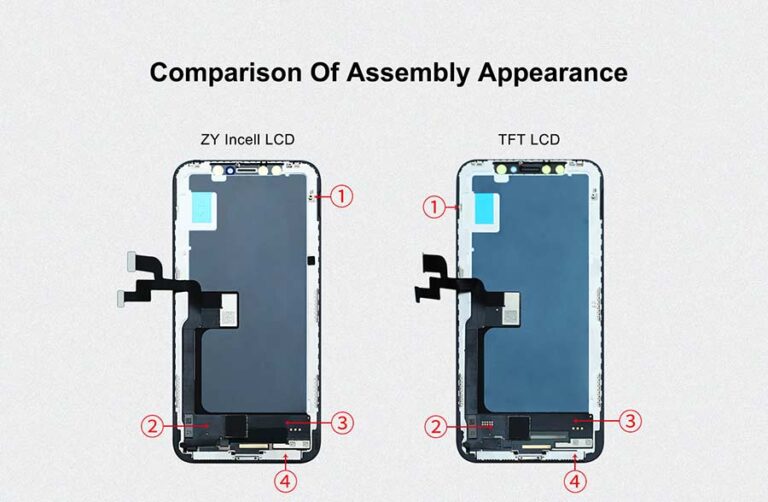
Choosing the right iPhone InCell1 screen quality can be confusing, especially when different suppliers use different terms and quality labels. If you choose the wrong grade, you may end up overpaying, facing higher return rates, or disappointing your customers.
For most bulk buyers2, the key is to understand the two main InCell1 grades: HD and FHD. In general, FHD offers better display quality, brightness, and touch performance, while HD is more suitable for price-sensitive markets. If you want more stable quality and better long-term value, working with a reliable supplier that offers consistent FHD screens is usually the smarter strategy.
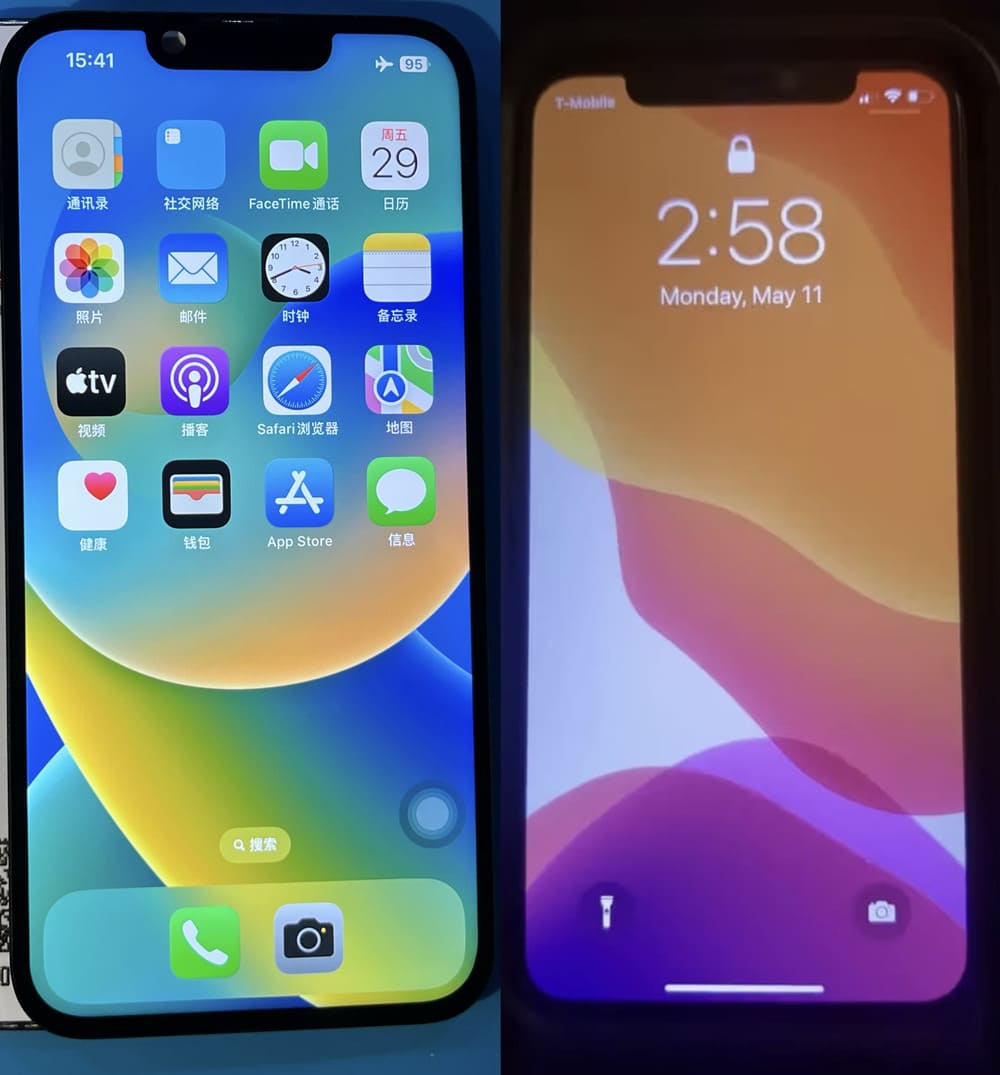
You see terms like HD, FHD, Premium, or AAA all the time, but the details behind them matter much more than the labels. It is easy to get lost in technical language or supplier marketing3. So in this guide, we will break things down in a simple way, so you can make smarter buying decisions for your repair or wholesale business.
What's the Real Difference Between HD and FHD InCell1 Screens?
Many buyers hear the terms HD and FHD but are not sure what they really mean in daily business. This confusion often leads to the wrong purchasing decisions, which can create customer complaints4, lower margins, and more after-sales problems.
In simple words, HD InCell1 screens are the more budget-friendly option, while FHD InCell1 screens offer better resolution, brightness, and touch stability. In many markets, the price difference is not very large, but the user experience difference can be quite noticeable. That is why FHD is often the better choice for businesses that want more stable quality and better customer satisfaction.
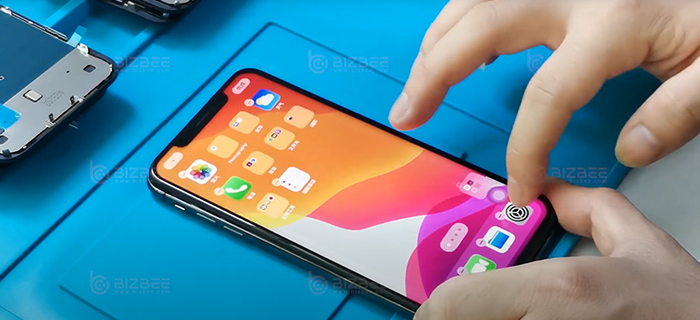
InCell1 is a type of aftermarket LCD5 screen technology. It is different from On-Cell, but for iPhone screen buyers, what matters most is its role in the replacement market. For some iPhone models, InCell1 is already the standard aftermarket solution. For others, it is mainly a cost-saving alternative6 to OLED.
InCell1's Role Across iPhone Models
For older iPhones that originally came with LCD screens, such as the iPhone 8, XR, and 11, the main aftermarket replacement options today are usually InCell1, FOG, and Original. In these cases, InCell1 works as a direct and cost-effective replacement.
For newer models such as the iPhone X, 12, or 15, which originally use flexible OLED screens, the quality ladder is very different. Buyers may choose between InCell1, Hard OLED, Soft OLED, FOG, and Original, depending on budget and market demand7. In this situation, InCell1 is often chosen as a lower-cost LCD alternative to expensive OLED screens.
Because of this, some buyers assume all InCell1 screens are low quality. That is not really accurate. A good FHD InCell1 screen from a stable brand like JK or RJ can still provide very solid display and touch performance for its price level, especially in price-sensitive repair markets.
HD vs. FHD: A Clear Comparison
| Feature | HD InCell1 (Standard) | FHD InCell1 (Higher Grade) |
|---|---|---|
| Resolution | Lower, pixels may be more visible | Higher, sharper image quality |
| Brightness | Standard | Usually brighter and more vivid |
| Touch Stability | Basic, may be less responsive | More stable and responsive |
| Cost | Lower | Slightly higher than HD |
| Best For | Budget-focused customers | Buyers who want better quality and value |
Why Is InCell1 Such a Popular Choice in iPhone Screen Wholesale?
Many wholesale buyers want to offer competitive prices, but they also worry that cheaper screens will bring quality problems. This is a very common concern, because poor-quality stock can damage both profits and reputation.
In practice, high-quality FHD InCell1 screens often offer one of the best balances between cost and performance. They help repair shops8 and distributors serve a large part of the market that wants affordable repairs, but still expects decent display quality and stable touch performance.
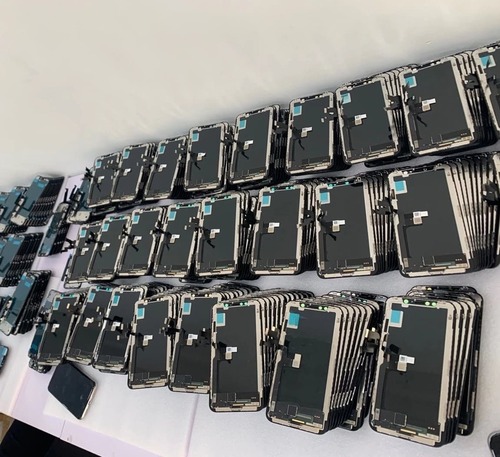
Let me give you a real example. We once worked with a customer in the Dominican Republic who had been buying a mix of HD and FHD screens from another supplier. The problem was that his supplier never clearly explained the difference. They simply shipped whatever was cheapest at the time.
After he started buying more consistent FHD screens, his business improved quickly. In his local market, those screens were seen as a more premium option, and repair shops8 responded very well. The interesting part was that the price difference was only around $1 more per screen, but the better quality helped him make much better margins and build stronger trust with his customers.
Another major concern for wholesale buyers is RMA9 and return rate. In our experience over the past few years, stable InCell1 products can maintain a relatively low RMA9 compared with unstable low-end supply. That consistency is extremely important for wholesalers and distributors, because one unstable batch can hurt both profits and customer relationships.
This is one of the main reasons why InCell1 remains such an important category in the market. Unless OLED costs drop sharply in the coming years, InCell1 will likely continue to play a major role in value-driven repairs.
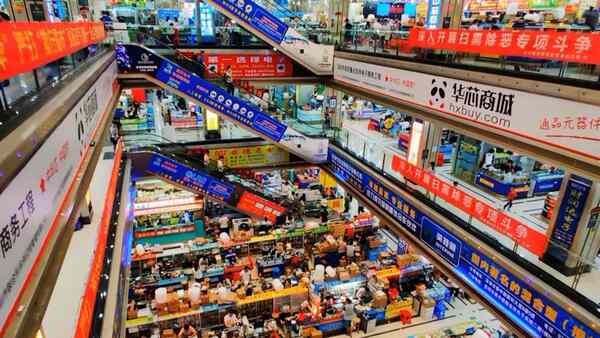
The Chinese market is full of suppliers all claiming to have the “best” quality. For buyers, this creates a real problem. It is easy to waste time, money, and energy testing too many brands without getting stable results.
A better strategy is to focus on reputable factory brands10 and work with transparent, experienced suppliers. That way, you reduce sourcing risk and avoid many common quality traps11.

Some of the better-known InCell1 brands in the market include JK, RJ, Moshi, ZY, OLEDi, imisu, HC, HH, and KD. The challenge is that these brands may include both HD and FHD options, and some suppliers may use vague terms that make the real grade unclear.
If you want to source more safely, here are a few basic rules.
Sourcing Dos and Don'ts
-
Do not try to test every brand on the market.
That takes too much time and money, and the results are often confusing. -
Pay attention to the factory brand name.
This is usually more meaningful than labels like “Premium” or “AAA,” because those labels are not standardized across the industry. -
Choose your supplier carefully.
A reliable supplier should explain the quality clearly, keep product consistency, and avoid changing packaging or grade without telling you. -
Ask about batch stability and after-sales support.
It is not enough for one sample to look good. What matters is whether the supplier can keep the same quality over time. -
Match the product to your market.
If your customers only want the lowest price, HD may still make sense. But if you want fewer complaints and better repeat business, FHD is often the better long-term choice.
A trustworthy supplier should do more than just ship products. They should help you understand the market, reduce sourcing mistakes, and build a more stable business model over time.
Conclusion
Choosing the right iPhone InCell1 screen quality is not only about price. It is about finding the right balance between cost, display quality, touch stability, and return risk.
For most wholesalers and repair businesses, understanding the difference between HD and FHD is the first step. In many cases, FHD is the better long-term option because it offers stronger product performance and better customer satisfaction. At the same time, choosing a transparent and experienced supplier is just as important as choosing the screen grade itself.
If you want to grow your business steadily, focus on consistent quality12, clear product information, and reliable supply, instead of only chasing the lowest price.
FAQ
Is FHD InCell1 always better than HD InCell1?
Not always. FHD InCell1 usually offers better resolution, brightness, and touch stability, so it is often a better fit for businesses that want stronger product performance and fewer complaints. However, if your market is extremely price-sensitive, HD may still be a practical option.
What is the main difference between HD and FHD InCell1 screens?
The main differences are display sharpness, brightness, and touch performance. HD is the lower-cost option, while FHD usually gives a better overall user experience and higher perceived value.
Are all InCell1 screens low quality compared with OLED?
No. InCell1 screens are not meant to fully replace OLED in every situation, but a good FHD InCell1 screen can still perform very well for its price range. For many repair markets, InCell1 is a smart value-driven option.
Which InCell1 brands are more trusted in the market?
Brands like JK and RJ are widely known in the market for more stable quality. That said, the supplier is just as important as the brand, because even a good brand can become risky if the sourcing channel is inconsistent.
How do I choose the right InCell1 screen supplier in China?
Look for a supplier who can clearly explain the screen grade, provide stable batch quality13, and offer reliable after-sales support. Transparency and consistency are more important than low price alone.
Why is RMA9 important when buying iPhone InCell1 screens in bulk?
RMA9 directly affects your profit, customer satisfaction, and business reputation. Even if a screen is cheap, it may cost you much more later if the return rate is high or the quality is unstable.
Understanding InCell technology is crucial for making informed purchasing decisions in the iPhone screen market. ↩
Get insights on key factors that bulk buyers need to consider for successful sourcing. ↩
Explore how marketing can mislead buyers about the true quality of iPhone screens. ↩
Learn strategies to minimize complaints and enhance customer satisfaction. ↩
Learn about aftermarket LCD technology to make better choices for screen replacements. ↩
Find out about alternatives that can help you save money without sacrificing quality. ↩
Understanding market demand can help you set competitive prices and improve sales. ↩
Understanding repair shop needs can help you better cater to this important market segment. ↩
Understanding RMA can help you manage returns and maintain customer satisfaction. ↩
Identifying reputable brands can help you avoid low-quality products and ensure reliability. ↩
Learn about quality traps to avoid costly mistakes when sourcing screens. ↩
Consistent quality is key to building trust and maintaining customer loyalty. ↩
Stable batch quality is essential for maintaining product reliability and customer trust. ↩